

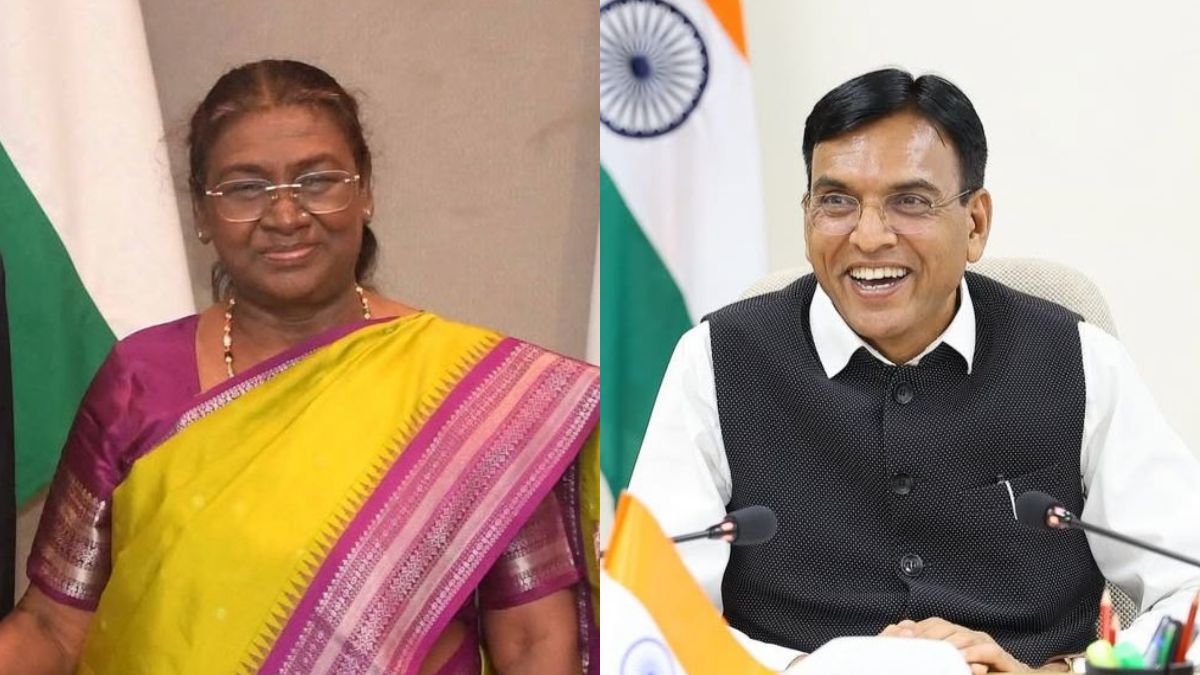
On August 18, 2025, the National Sports Governance Bill, 2025 received its final approval when President Droupadi Murmu gave her assent, officially turning the bill into the National Sports Governance Act, 2025.
This milestone marks comprehensive reform—the most significant overhaul of Indian sports governance since independence.
Key Provisions of the Act
Creation of the National Sports Board (NSB): An overarching regulatory authority that can recognize or derecognize National Sports Federations (NSFs), enforce governance standards, oversee funding, and ensure compliance with ethics and financial discipline.
Establishment of the National Sports Tribunal (NST): A specialized dispute resolution body headed by a Supreme Court or High Court judge. It will resolve issues such as election disputes, selection controversies, and governance violations. Appeals are limited to the Supreme Court to ensure swift judgments.
Safe Sport and Ethics Framework: All federations must adopt athlete protection policies, especially safeguarding women, minors, and those with disabilities. A robust Code of Ethics will align federation conduct with Olympic and Paralympic standards.
Elections and Leadership Criteria: To run for top positions like President, Secretary-General, or Treasurer in federations, a candidate must be a sportsperson of “outstanding merit” or must have served one full term on the federation’s executive committee.
Public Accountability via RTI: Sports bodies receiving government funding will be classified as public authorities under the Right to Information Act, 2005. Notably, this excludes entities like the BCCI, which operates independently of government funding.
Strict Oversight on International Participation: The Act allows the central government to block or permit international representation under “extraordinary circumstances” to protect national interests.
Implementation Timeline & Context
The bill received overwhelming support in both houses of Parliament in August 2025, with simultaneous passage of the National Anti-Doping (Amendment) Bill, 2025.
Sports Minister Mansukh Mandaviya described the legislation as a “force of change” and set ambitious targets for the country: a Top 10 global ranking in sports within 10 years, and Top 5 by 2047.
The NSB and NST are slated for implementation within six months, as the government begins shaping rulebooks and infrastructure to operationalize the Act.
Industry & Athlete Reaction
Olympic gold medalist Abhinav Bindra welcomed the Act’s passage, calling it a “solid framework to take Indian sports to new heights”, highlighting its significance for transparency, accountability, and professional governance.
In parallel, the government has urged the Board of Control for Cricket in India (BCCI) to conduct its upcoming elections under this new legal framework—though it acknowledged that, if regulations aren’t finalized in time, the cricket body may proceed with guidelines under the Supreme Court’s Lodha Committee.
Why This Matters
| Aspect | Impact |
|---|
| Structural Reform | Establishes India’s first unified legal framework for sports administration. |
| Governance & Transparency | Introduces checks, ethics, and oversight mechanisms for sports federations. |
| Athlete Protection | Ensures safe environments and rights for all athletes, especially vulnerable groups. |
| Efficient Dispute Resolution | Expedites resolution through the NST, reducing legal bottlenecks. |
| Global Competitiveness | Aligns Indian governance with international norms, boosting prospects for hosting Olympic events. |
| Legal Accountability | Federal funding tied to compliance with RTI and governance standards enhances transparency. |