

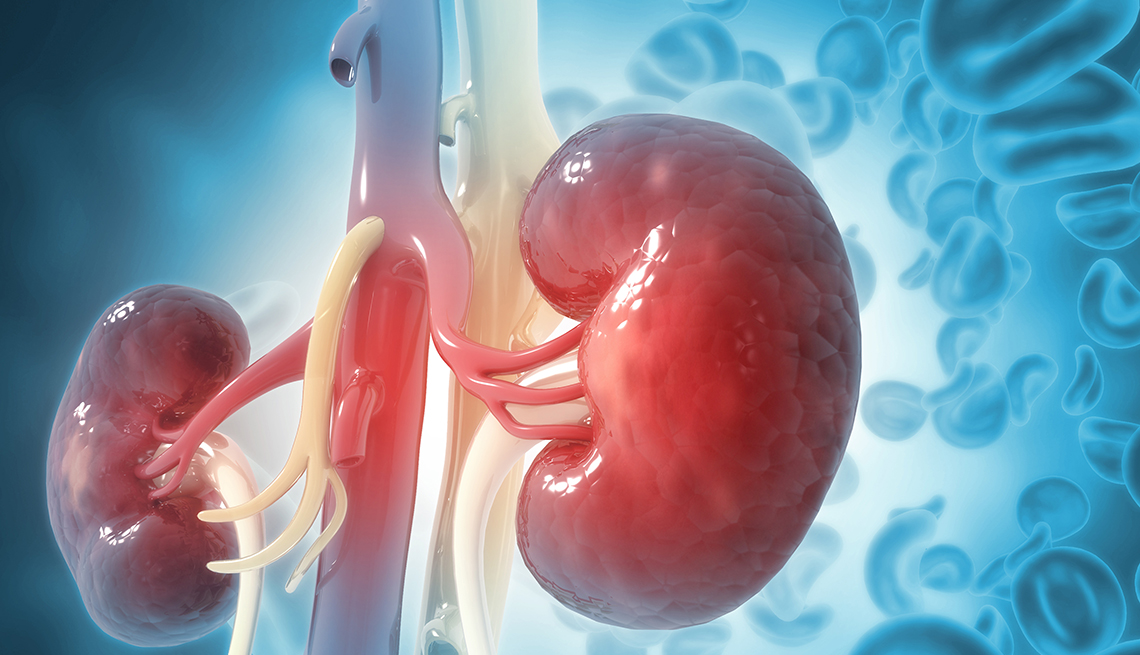
New Delhi: Maintaining kidney health starts with smart dietary choices. While certain foods—including cauliflower, blueberries, and sea bass—support renal function thanks to their nutrient density and low sodium content, others like dark sodas, avocados, and canned products may put your kidneys under stress.
Foods That Support Kidney Health
- Cauliflower
A nutrient-rich, low-potassium alternative to common veggies like potatoes, cauliflower is high in vitamin K, folate, fiber, and antioxidants—helping with natural detoxification. - Blueberries
With minimal sodium and phosphorus, blueberries are gentle on the kidneys. Studies suggest they may boost kidney function and reduce oxidative stress—while also benefiting heart and brain health. - Sea Bass
A kidney-friendly option for pescatarians, sea bass offers high-quality protein, omega-3 fatty acids, and essential nutrients. However, portion control is important, as excessive protein can burden the kidneys.
Foods That May Harm Kidney Health
- Dark-Coloured Sodas
These beverages often contain high levels of added phosphorus, artificial sweeteners, and chemicals, which can throw off mineral balance and contribute to kidney stone formation. - Avocados
While generally considered healthy for their good fats, avocados are exceptionally high in potassium—one average-sized fruit can contain around 690 mg, which may pose a risk for those with impaired kidney function or potassium sensitivity. - Canned Foods
Both canned vegetables and meats typically contain high amounts of sodium. Excessive sodium intake can raise blood pressure and add strain to the kidneys.
Quick Summary
| Why It Matters | Safeguard Your Kidneys By… |
|---|---|
| Low sodium, potassium & phosphorus | Prioritize cauliflower, blueberries, and fatty fish like sea bass |
| Potential mineral overload | Limit dark sodas, high-potassium fruits (e.g., avocado), and canned foods |
| Natural detox support | Embrace nutrient–dense, low-stress foods to aid kidney function |
Note of Caution
This guidance is for general wellness and does not replace personalized medical advice. Individuals with kidney issues—or conditions that affect kidney or electrolyte balance—should consult a qualified healthcare provider or dietitian before making significant dietary changes.